


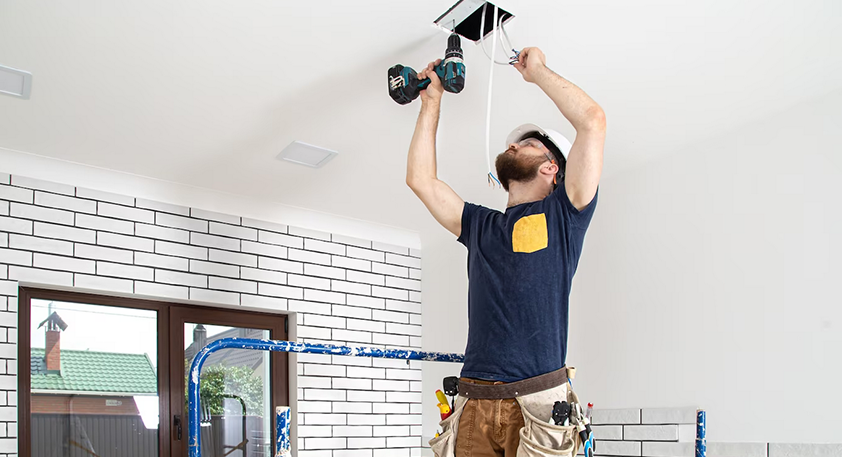
Tips To Negotiate With Electricians
You can negotiate with electricians. But it would help if you knew what you were doing before doing so to get the best deal possible.
Electricians tend to charge relatively high prices, which is why every dollar off your bill counts. This article discusses why electricians charge such high fees and the various strategies to save money when hiring them.
Why Do Electricians Charge So Much?
Electricians charge $40 to $100 per hour on average. Master electricians can charge up to $120 an hour. In addition, they tend to charge $75 as a call-out service fee. So, for a standard electrical job, expect to spend anywhere from $141 to $419. That is not cheap.
But good reasons exist for why electricians charge so much.
First, electrical work is hazardous. Research shows that about 7% of all deaths that occur in building trades involve electricians.
It’s safe to say that a simple visit to fix an appliance or light fixture could kill the contractor you hire. For that reason, electricians tend to carry multiple types of insurance, such as worker’s insurance and health insurance. And the premiums are costly, thus necessitating that electricians pass those costs to their clients.
Another reason why electricians charge so much is that they invest a lot of time and money learning their trade. The first step to becoming a licensed electrician is joining an apprenticeship training program for four or five years. That involves both classroom instruction and on-the-job training totaling about 2,000 hours.
After completing the apprenticeship program, electricians must undertake a state exam on building codes and electrical applications. After passing the exam, that’s when they get their license. At that point, they become an electrical journeyman.
Becoming a master electrician requires a licensed journeyman to have four years or 8,000 hours of additional work experience gained under supervision. Alternatively, such a contractor must undertake a two-year degree or certificate in electrical studies. Thus, hiring a master electrician will cost much more for the additional experience and expertise.
1. Determining Average Prices in Your Area
Before you negotiate with an electrician, you need to determine the average prices in your area. That means taking a look at the hourly or per-project. So, bear in mind that the charges tend to vary based on location, local taxes, and professional experience.
2. Asking For and Comparing Multiple Quotes
If you know what kind of work you need to do, you can ask several reputable electricians to visit your property and give you a quote. But first, ensure that the electricians you call usually offer free estimates, especially for installations or electrical upgrades.
3. Requesting For a Cost Breakdown
For starters, you should ask for the costs to be broken down based on the materials and labor. But you also need to request a more detailed breakdown to know what kind of materials you need and what each will cost you. That ensures there are no hidden charges the electrician cannot explain.
4. Purchasing Materials Yourself
Sometimes, it is better to purchase the materials yourself rather than have your electrician do it for you. And make sure you buy enough materials so that they don’t run out while the work is ongoing.
5. Bundling Your Electrical Projects
Unless you have an electrical emergency, it makes sense to wait until you have several jobs available before hiring an electrician. And you can do that during slow times when there is less demand for electrical service providers.
7. Being Polite and Reasonable
Never underestimate your conduct’s ability to get electricians to lower their prices. The negotiation process does not have to be heated and full of ill-will. Being nice is an excellent negotiation strategy.


